How Long Does It Take to Become a Medical Assistant in Cleveland? (And Why Starting Sooner Pays Off)
How long does it take to become a medical assistant? The most common answer is “it depends on the program” — and that’s true. But what most people really want to know is: how soon can I be working and earning a paycheck?
The difference between a few-month program and a two-year program isn’t just time. It’s tens of thousands of dollars in income you either earn or don’t. Here’s how program length actually affects your career — and your wallet — in Cleveland.
The three timelines
Fast track: focused certificate programs
- Training length: A few months of intensive, focused training
- Total time to employment: Approximately 4–6 months (including enrollment, training, and job search)
- Cost: Typically $2,000–$6,000
- What’s included: Clinical skills, administrative training, certification prep
- What’s not included: General education courses (because they’re not needed for the job)
Mid-range: diploma programs
- Training length: 9–12 months
- Total time to employment: Approximately 10–14 months
- Cost: $5,000–$15,000
- What’s included: Broader curriculum, often with an externship component
Long track: associate’s degree programs
- Training length: 18–24 months
- Total time to employment: 2+ years
- Cost: $10,000–$25,000+
- What’s included: Medical assisting coursework plus general education (English, math, sciences)
The earning advantage of starting sooner
This is the part most program comparison guides skip. Let’s do the math:
A medical assistant earning the national median salary of approximately $44,000/year who starts working 12 months sooner than someone in a longer program earns an additional $44,000 in that time. Factor in lower tuition costs and the gap widens even further.
Over five years:
| Fast-Track Graduate | 2-Year Program Graduate | |
|---|---|---|
| Training cost | ~$3,000–$5,000 | ~$15,000–$25,000 |
| Years earning in first 5 | ~4.5 years | ~3 years |
| Approximate earnings | ~$198,000 | ~$132,000 |
| Net advantage | Roughly $60,000–$80,000 ahead | — |
These are approximate figures, but the pattern is clear: starting sooner and spending less on training creates a significant financial advantage that compounds over time.
Do you need a degree to become a medical assistant?
In most states, no. The majority of medical assistant positions require:
- Completion of a training program (certificate, diploma, or degree)
- Clinical competence in core skills (vitals, phlebotomy, injections, EKGs, sterilization)
- Preferably, a recognized certification (CCMA, RMA, or CMA)
An associate’s degree is an option, but the extra general education courses rarely translate into higher starting pay or better job prospects. If your goal is to start working and earning as quickly as possible, a focused certificate program is typically the smartest route.
What every program should cover (regardless of length)
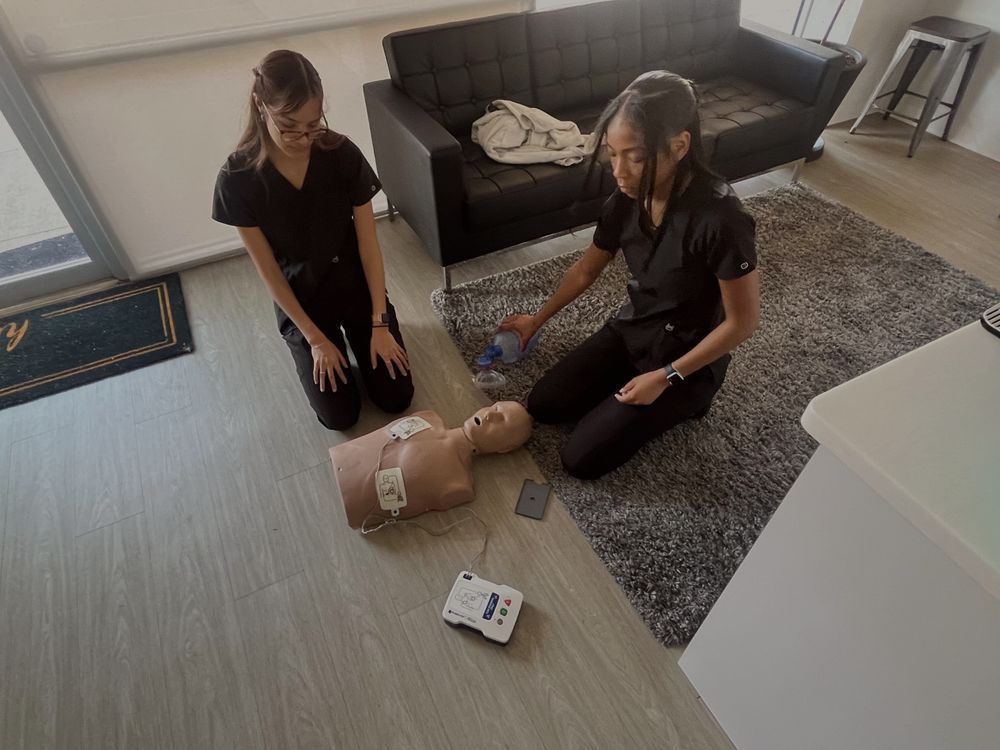
Whether the program takes 3 months or 2 years, it should prepare you to:
Clinical skills:
- Take and record vital signs accurately
- Perform phlebotomy and handle specimens safely
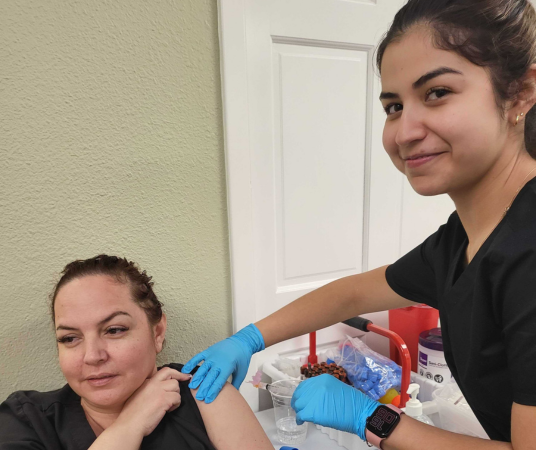
- Administer injections using proper technique
- Run EKG/ECG procedures
- Maintain infection control and follow OSHA standards
- Assist physicians during exams and procedures
Administrative skills:
- Manage patient scheduling and flow
- Navigate electronic health records (EHR)
- Handle insurance verification and billing basics
- Maintain HIPAA compliance
- Communicate professionally with patients and staff
If a program doesn’t cover these — regardless of how long it is — it’s not preparing you for the job.
Ready to start your career in Cleveland?
- Explore the program: Program details
- Review tuition: Tuition
- Talk to our team: Contact
- Apply: How to apply
You're only a few months from the medical assistant career you deserve.